Blog | QA Audit and consulting
Pytest - How to Pass Fixtures
interesting 3 min read

Pytest - How to Pass Fixtures

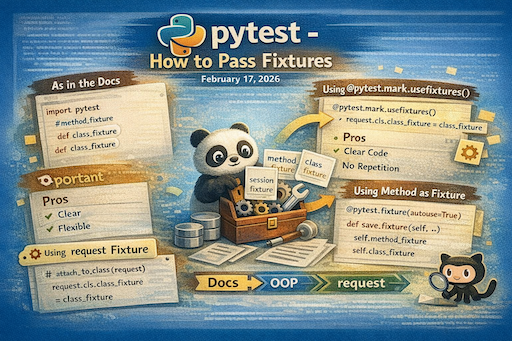
In the previous article, I briefly talked about fixtures in pytest — what they are and how to use them. However, when you start using them frequently and across a large number of tests, you begin to think about how to use them more efficiently or with less boilerplate code. Let’s look at how you can work with fixtures when using a class-based test structure. As in the documentation For example, according to the documentation, it is recommended to do something like this:

Read more
Pytest - Fixtures
interesting 4 min read

Pytest - Fixtures

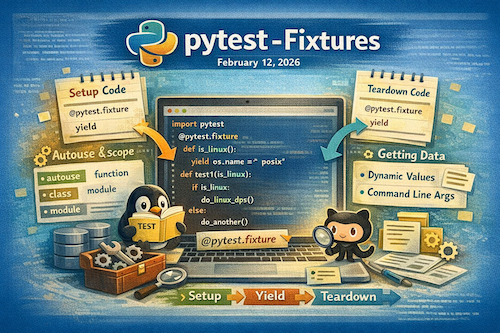
In the previous article, I briefly touched on the topic of pytest fixtures. In this one, I would like to expand a bit on what they are and why you should use them. In traditional testing frameworks (for example unittest, JUnit, chai/mocha), to execute something before a test/tests, a function with names like setup or before is typically used. Pytest provides a similar approach, but fixtures are more powerful and flexible.

Read more
Pytest - Intro
curiosities 3 min read

Pytest - Intro

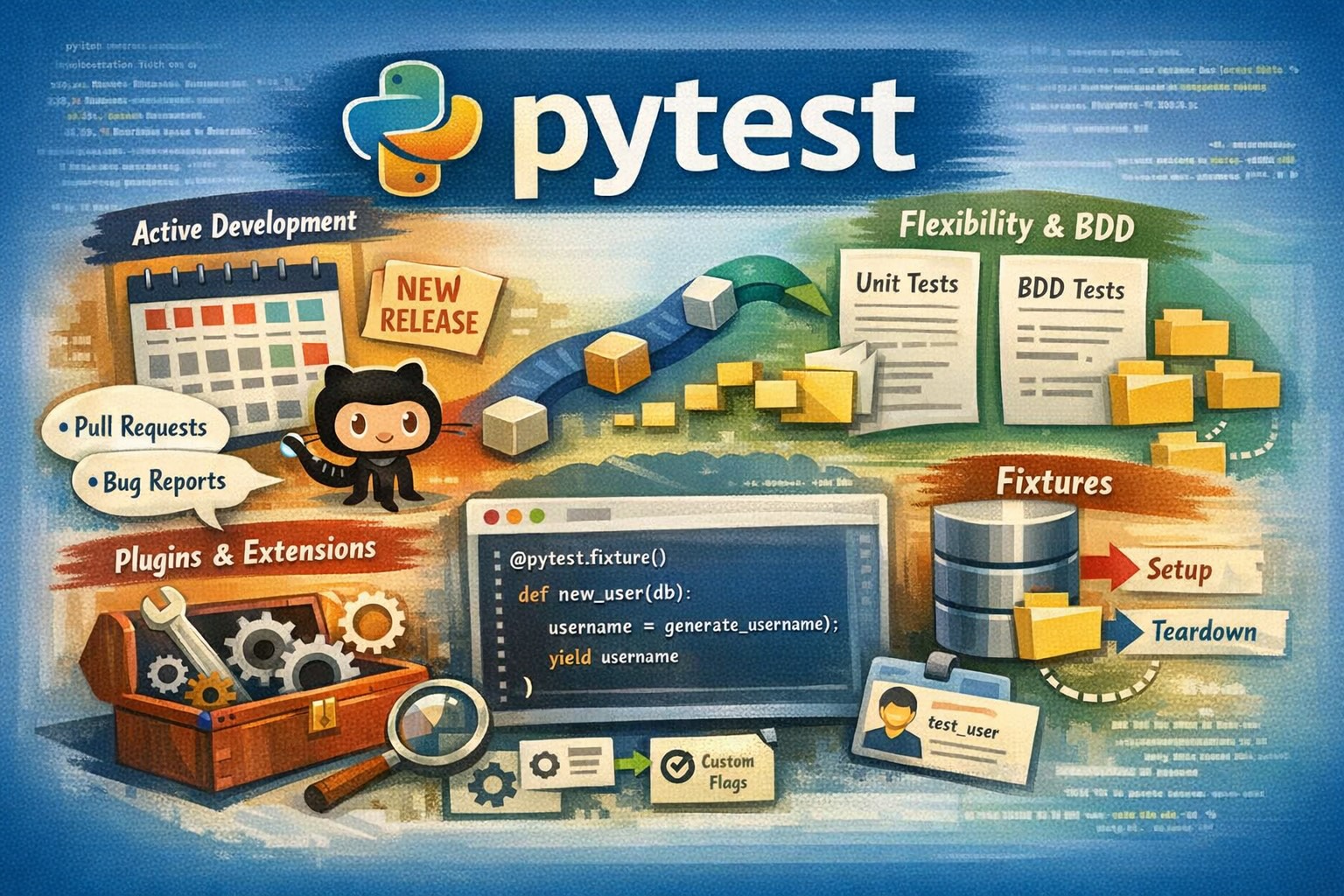
In the Python community, pytest is probably the most popular test “runner”, and there are several reasons for this: active development — pytest releases come out regularly, adding new features flexibility — it does not impose strict rules on you; you can choose the test architecture yourself. You can write any kind of tests, use BDD, etc. extensibility — a very flexible system of plugins, extensions, and so on a unique feature called “fixtures” — a way to inject dependencies into tests In this article, I would like to briefly talk about all of these things.

Read more
Interesting Notes About HTTP
curiosities 3 min read

Interesting Notes About HTTP

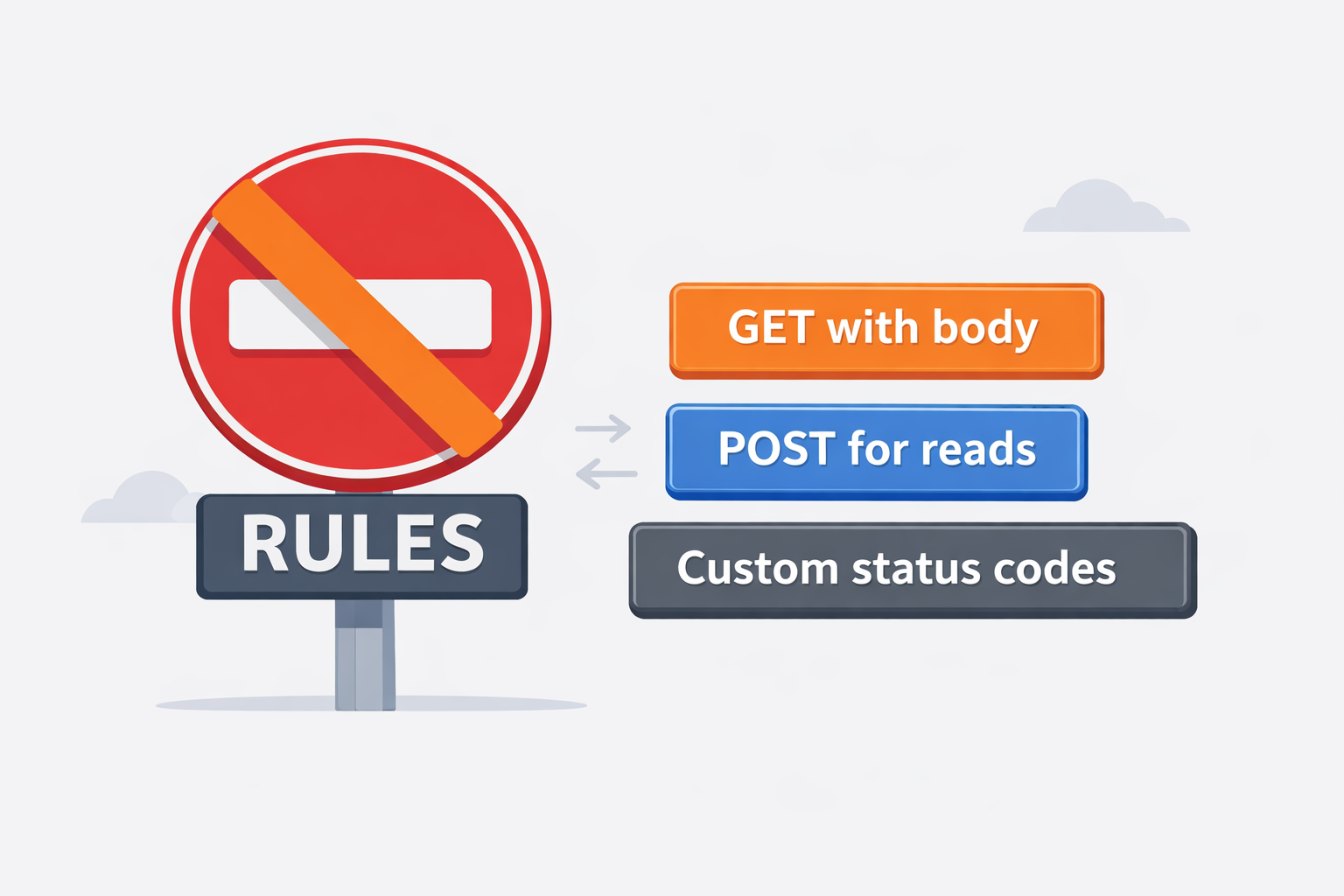
Let’s talk about HTTP again :) There are thousands of articles, videos, and courses on what HTTP is, how it works, and so on. I do not want to re-explain what HTTP is or how GET differs from POST, so I will cover some less obvious things for typical testers. Over my career I have interviewed more than 200 testers of various levels and specialties (manual, automation, leads, etc.) and put together a short list of interesting HTTP points that often caught many people off guard.

Read more
What Is QA?
theory 2 min read

What Is QA?

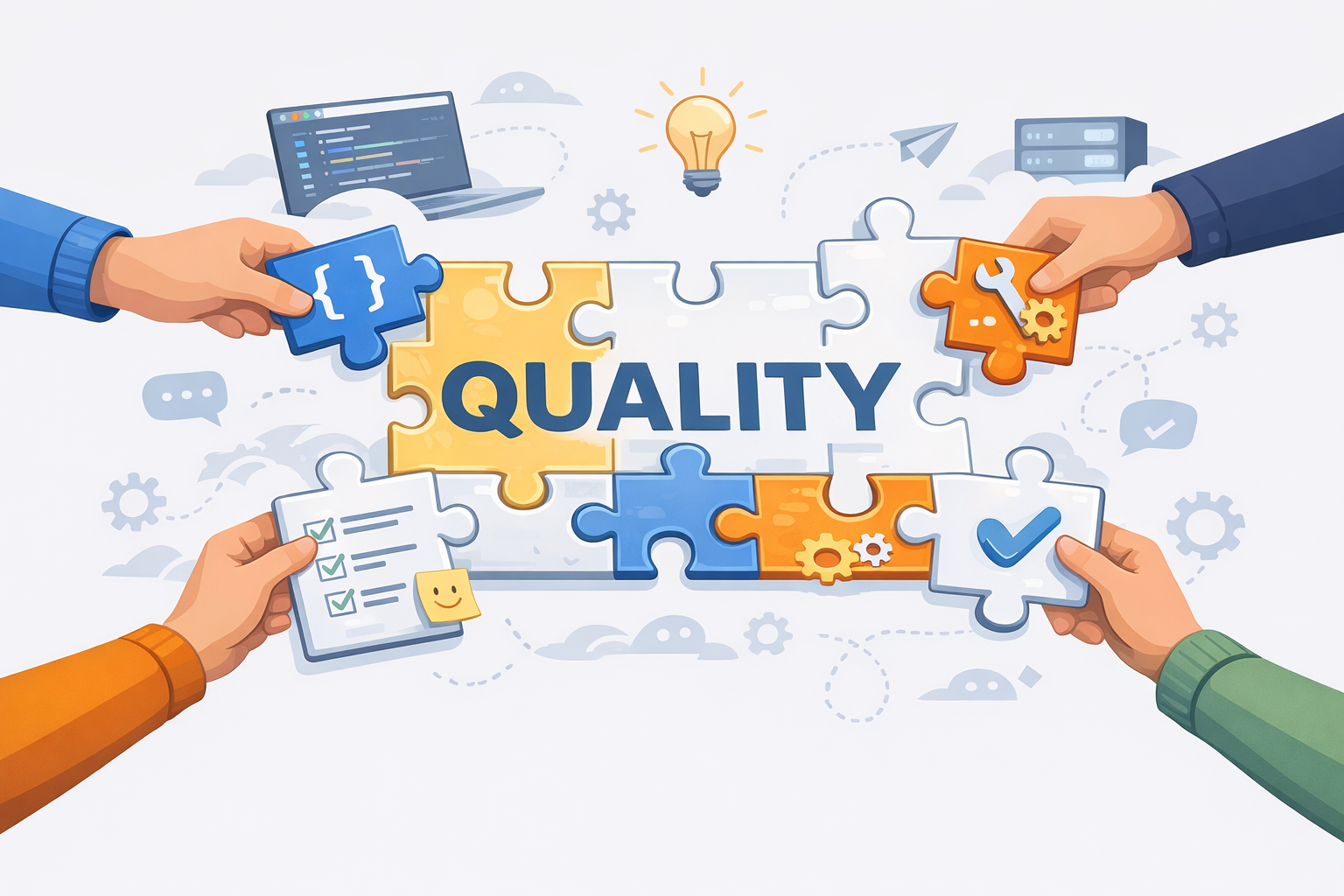
The term QA (Quality Assurance) can mean many things: every company or team puts its own meaning into it. However, the core is always the same - QA is the process of controlling and improving product quality. Anything that helps make a project better, one way or another, falls under QA. Quality assurance can (and should) involve not only in-house testers, but all team members working on the product: developers, managers, product owners, DevOps.

Read more